Is Crush Side Sperm Testing Enough?
We're often asked whether crush side testing of bull sperm alone is sufficient. Here's what each test does, and why morphology matters.
We’re often asked here at QSML whether crush side testing of bull sperm alone is sufficient. So we thought we would address those questions so you can make an informed decision.
What is crush side testing of sperm?
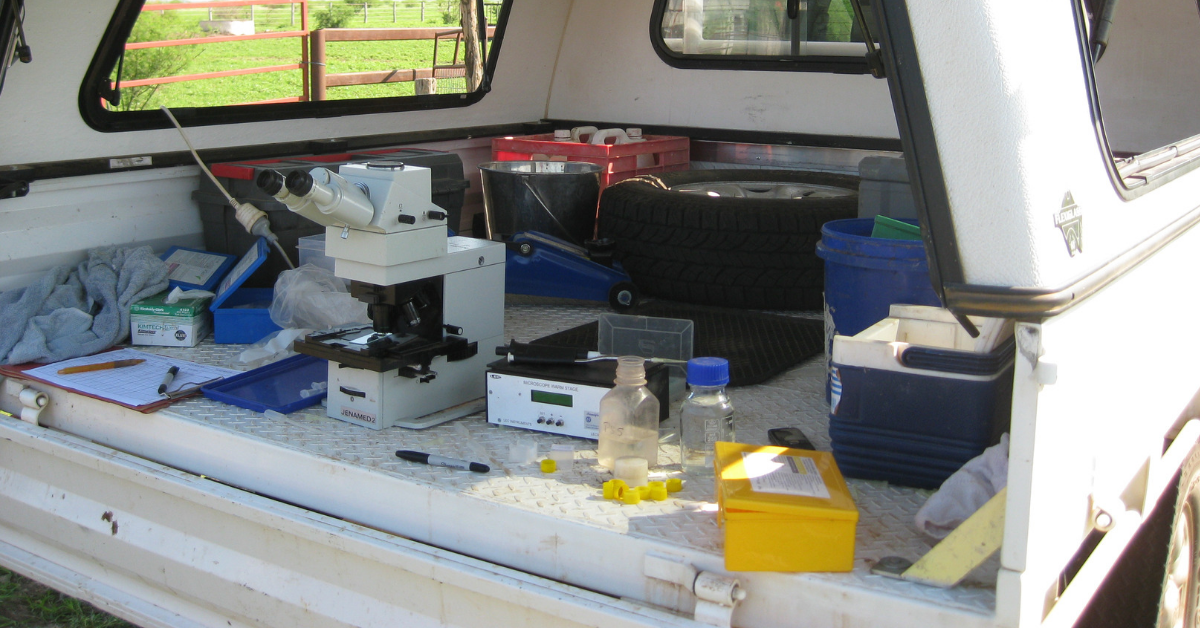
As part of the bull breeding soundness examination (BBSE), semen is collected from the bull following physical examination, usually with an electroejaculator. As the seminal fluid goes from clear to cloudy, a sample is collected by the vet. Immediately after collection, a drop of semen is assessed under a crush side field microscope on a warmed slide with a coverslip. A x10 objective is often used first to assess wave motion and concentration, followed by a x20 or x40 objective to assess sperm motility. This is always done on a warm stage (at 37°C) so no cold shock affects the sperm.
What does crush side testing look for?
The crush side test checks whether the sperm are progressively forwardly motile, that is, whether they can swim and are swimming rapidly forward at more than 2 body lengths per second. It also checks for adequate concentration. If the sample is too dilute or the sperm are insufficiently motile, or swimming backwards, a second sample is often collected.
The crush side test therefore aims to ensure a representative sample is collected and that the sperm are alive and swimming. Motility is scored as a percentage. If more than 30% of the sperm are actively progressively motile, the bull passes the motility section of the BBSE.
What does off-site, central laboratory testing do?

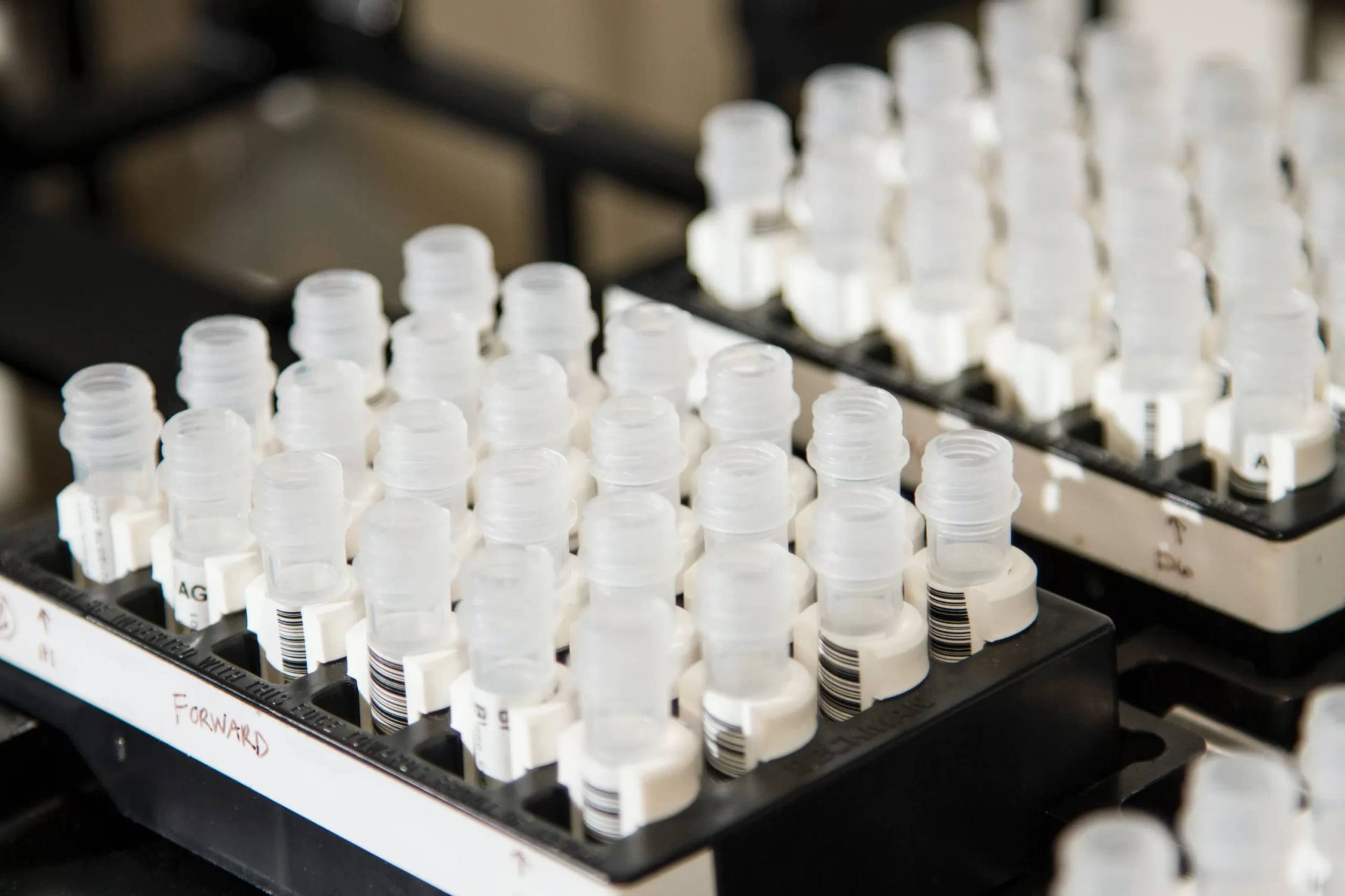
At the same time as the drop of semen is placed on the slide for motility scoring, a drop is also placed into a small vial containing a preservative. This vial is taken back to the clinic and posted to an independent laboratory for assessment of sperm morphology. Sperm morphology is also scored as a percentage and is often confused with the motility percentage, but the two are quite different and often not related. For example, a recent bull had 70% motile sperm but fewer than 50% normal sperm. 41% of the sperm had a diadem defect (pictured).
Sperm morphology is assessed on the preserved sperm and examines the integrity of the sperm head and tail. A score of 70% is required to pass the morphology section of the BBSE.
What are the benefits of off-site, central laboratory testing?
Sperm morphology is essential to the BBSE as it is the test most strongly correlated with bull fertility and calf output. A crush side motility test tells you the percentage of sperm that are swimming, but not whether those sperm can penetrate the egg or form a viable embryo. The morphology test checks for known sperm abnormalities that have been established to reduce conception rates.
The report from the morphology laboratory goes back to the vet within one week of the sample arriving. This allows the vet to give the producer the best prognosis for their bulls following the BBSE.
How do I arrange both crush side and laboratory testing?
Contact your local cattle vet and request a BBSE of your bulls before mating or sale that includes sperm morphology testing from a recognised laboratory, preferably one that takes part in ongoing standardisation by exchanging test samples. Most cattle vets include independent laboratory morphology testing as part of their recommended BBSE, but it is always wise to specifically ask for this test to be included.