Improving Herd Productivity: A Quick Snapshot
High fertility is key to the financial success of any breeding operation, and diet in early pregnancy plays a bigger part than many producers realise.
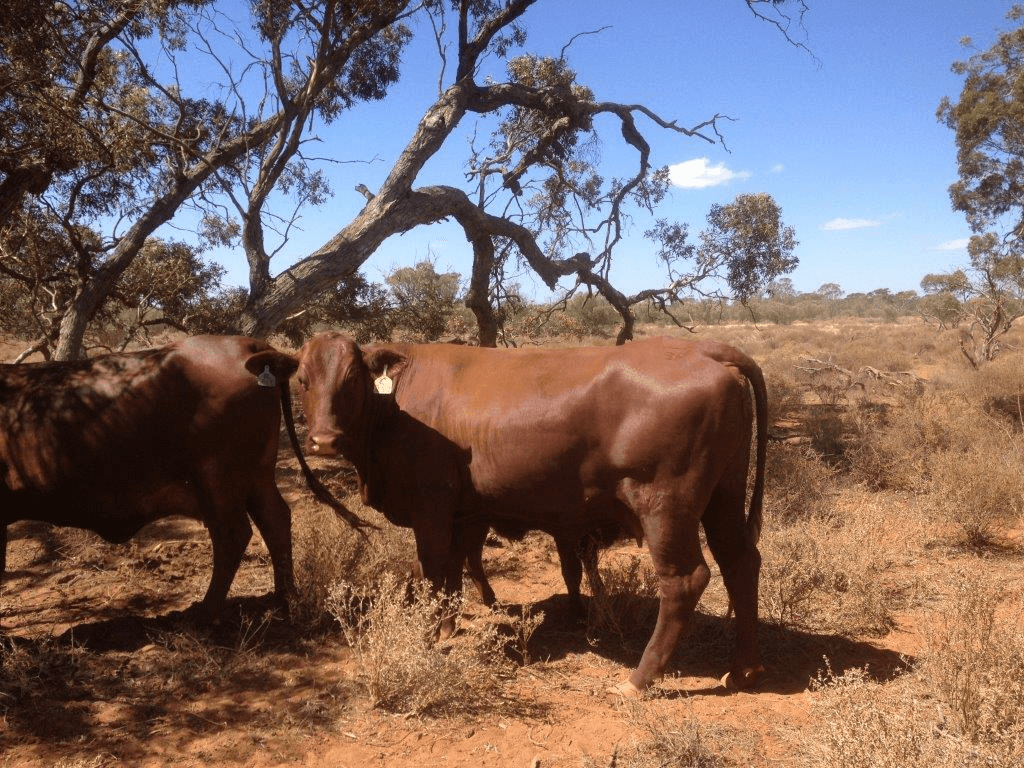
As beef producers, everyone is aware that high fertility (and calves on the ground) is key to the financial success of any breeding operation. Fewer calves means less money. Nutrition (feed intake) is a key factor in achieving optimal fertility. Conversely, most producers are also aware of the hazards associated with overfeeding females (particularly heifers) in the second trimester.
Nutrition and pre-pregnancy
It is generally accepted that a rising nutritional plane is best to get cows cycling and ready for joining, but there is more to it. The effect of diet in early pregnancy is paramount.
Our scientific findings show
- Supplementation during the breeding (periconception) period may increase pregnancy rates by 7%.
- First trimester protein restriction is detrimental to the developing fetus but does not affect birthweight. This is due to compensatory growth occurring in the second and third trimester. Catch up growth has been observed to be greater in females.
- Second trimester high protein intake (14% CP) may increase birthweight sufficient to increase dystocia (difficult calving) rates and calf loss.
How to manage nutrition for best results
- Ensure heifers have sufficient protein during the breeding season and right through their first 3 months of pregnancy.
- Whilst the fetus at that stage is very small, supplementation does assist in fetal development.
- To achieve the positive effects of protein supplement, pregnant heifers should receive sufficient protein during mating (breeding season) and early pregnancy (to 90 days of pregnancy).
Want to find out more?

Dr Viv Perry and PhD student Dr Katrina Copping have published two papers on the effects of diet in early pregnancy upon herd productivity, both in the international journal Reproduction, Fertility and Development: