Can Protein Supplementation of First-Calf Heifers Positively Affect Their Progeny?
Two papers in Theriogenology show the importance of protein supplementation of first-calf heifers to the growth, carcass traits and reproductive development of their bull progeny.
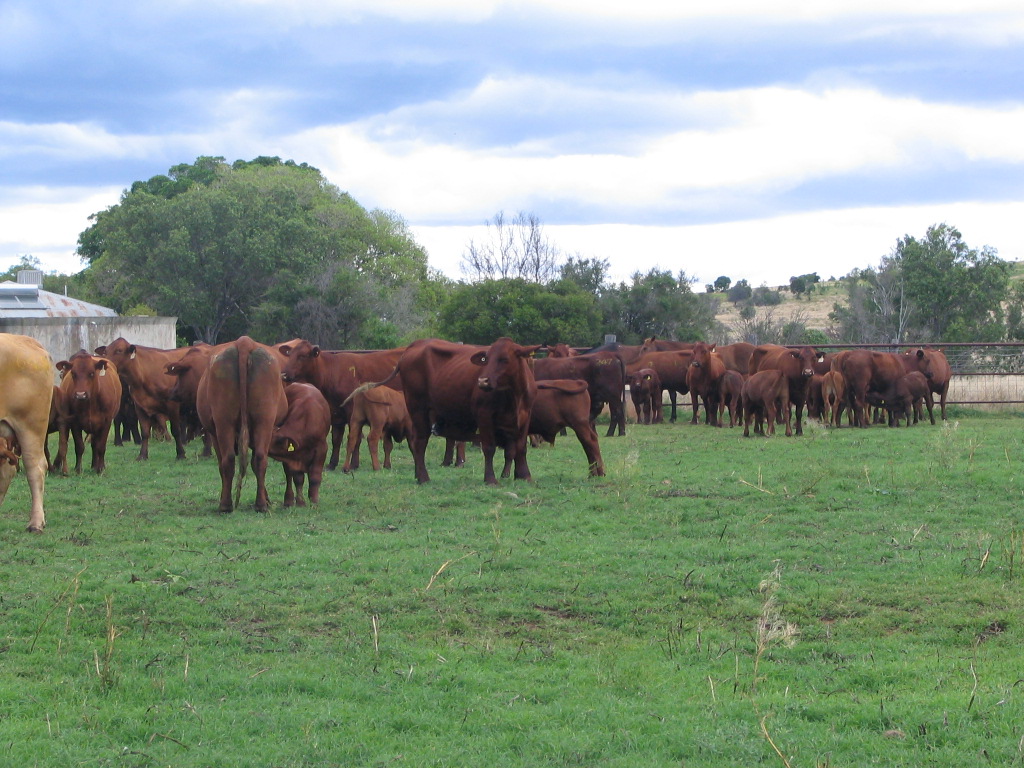
Two papers were published by Dr Perry from QSML, using Santa Gertrudis bulls in Queensland, in the international reproduction journal Theriogenology with her PhD student Matt Callaghan. We have previously shown that feeding high energy rations to bulls prior to sale reduces sperm quality. These papers are among those looking at management practices that will enable bulls to meet sale specifications without these harmful practices. They show the importance of protein supplementation of first-calf heifers to the growth, carcass traits and reproductive development of their bull progeny to sale age.
In the first paper, Supplementation of rangeland primiparous Bos indicus x Bos taurus beef heifers during lactation. 1. Effects on dam milk production and liveweight, bull calf growth, live carcass characteristics and metabolic hormone concentrations, the major findings include:
Protein supplementation of grazing first-calf beef heifers during lactation improves milk production and liveweight gain of the heifer. This is associated with increased weight gain of the bull progeny and increased circulating levels of growth hormone (IGF-1) and leptin. Such levels have previously been associated with reduced age at puberty. Interestingly, this enhanced calfhood nutrition, via supplementation of the heifer, led to increased carcass muscling (EMA) to 22 months of age.
In the second paper, Supplementation of rangeland primiparous Bos indicus x Bos taurus beef heifers during lactation. 2. Effects upon the reproductive development of bull calf progeny, the major findings include:
Protein supplementation of first-calf heifers during lactation initiates increased calfhood testosterone concentrations in bull progeny, which was associated with increased testicular development, scrotal circumference, sperm motility and sperm morphology. This was associated with an earlier age of sexual maturity in these bull progeny.
If you’re interested in some of our other studies, head over to our research page.